The geopolitical landscape of the Middle East has shifted dramatically following the death of Mansoureh Khojasteh Bagherzadeh, the 79-year-old wife of the late Supreme Leader Ayatollah Ali Khamenei. Iranian state television announced that she succumbed to wounds inflicted during a coordinated US-Israeli airstrike on the leadership compound in Tehran. Her passing occurs just forty-eight hours after the death of her husband, a sequence of events that has plunged the Islamic Republic into a state of unprecedented transition and an official 40-day mourning period. State media anchors, reporting through tears, have framed Bagherzadeh’s death as a transition into “martyrdom,” suggesting that her loss will serve as a catalyst for a “massive uprising” against Western influence. Historically, Bagherzadeh remained a private figure, focused on maintaining a “calm home environment” for her husband since their marriage in 1965. However, her involvement in the revolutionary period—which included smuggling documents and pamphlets—is now being highlighted by state media to reinforce her legacy as a pillar of the 1979 Revolution. The military campaign leading to these deaths has been vast and devastating. According to the Iranian Red Crescent Society, at least 555 individuals have lost their lives as more than 130 cities across Iran faced aerial bombardment. Reza Najafi, the Iranian envoy to the International Atomic Energy Agency (IAEA), leveled sharp criticisms against the coalition, labeling the attacks “unlawful, criminal, and brutal.” He specifically noted the targeting of the Natanz nuclear enrichment site, vehemently denying Western claims regarding Iran’s nuclear weapons ambitions as a “big lie.”
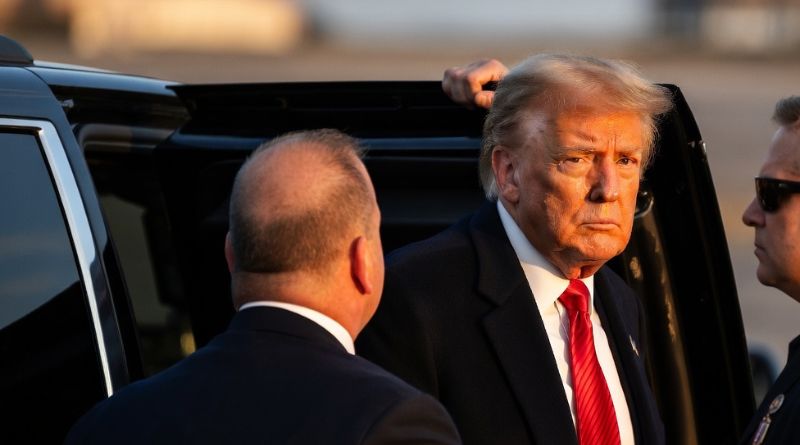
The ripples of this conflict have extended far beyond Iranian borders. In a chaotic exchange of fire, Kuwaiti air defenses accidentally downed three American F-15E Strike Eagles while defending against a reported attack on the U.S. embassy in Kuwait City. Meanwhile, pro-Iranian militias have engaged targets in Irbil and Cyprus, and Saudi Aramco was forced into a “precautionary” shutdown of its Ras Tanura refinery after Iranian drones targeted the facility near Dammam. These maneuvers indicate that Iran’s combat fleet is now fully engaged in active hostilities for the first time in recent history. Amidst this escalating carnage, a surprising diplomatic thread has emerged. A senior White House official, speaking anonymously, indicated that a “new potential leadership” within Tehran has signaled a desire to open talks with Washington. While senior security official Ali Larijani publicly maintains a hardline stance against negotiation, President Donald Trump told The Atlantic that he is open to discussions with these yet-to-be-identified leaders. Despite this potential for dialogue, the White House emphasized that military operations will continue “unabated” until a concrete resolution is reached, leaving the region in a state of high-tension uncertainty.