U.S. Military Intercepts Vessel in Routine Maritime Security Operation
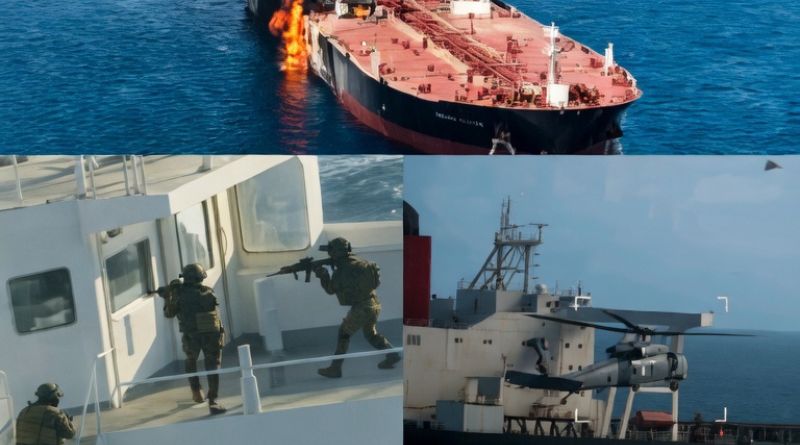
A recent maritime interception by U.S. forces has captured attention in defense and national security circles, underscoring the critical role of naval surveillance amid rising geopolitical tensions and efforts to enforce international sanctions and regulations. According to initial statements from U.S. defense officials, American personnel conducted a controlled boarding and securing of a vessel during a standard security patrol in a sensitive maritime area. While social media buzzed with speculation, authorities described the action as part of ongoing operations aimed at promoting regional stability and safeguarding vital international shipping lanes.
Officials have released only sparse details so far, cautioning against premature conclusions until full assessments conclude. This approach reflects a deliberate strategy to manage information flow and curb misinformation during active incidents.
What Has Been Confirmed
Defense sources confirmed that U.S. forces executed a maritime interdiction on a vessel flagged for further inspection under routine monitoring protocols. The operation proceeded smoothly, with no reported escalation or harm to civilians. No additional specifics—such as the vessel’s exact identity, origin, cargo, or any potential detentions—have been disclosed, in line with standard procedures for ongoing reviews.
This restraint in communication highlights evolving defense practices designed to protect operational integrity while addressing public interest.
Maritime Interceptions: A Routine Practice
Such actions are far from extraordinary in modern naval operations. The U.S. military and its allies regularly patrol global sea lanes to counter threats including drug smuggling, sanctions evasion, illegal fishing, and the transport of restricted goods. In the Caribbean Sea and broader Western Hemisphere, these efforts have intensified under initiatives like Operation Southern Spear, which targets illicit maritime activity linked to regional actors, including Venezuelan sanctions circumvention.
Vessels exhibiting suspicious behavior—such as “dark fleet” tankers operating without proper identification or in defiance of U.S. policies—often prompt interdictions. These missions combine surveillance, boarding teams (frequently involving U.S. Coast Guard law enforcement detachments), and, when necessary, coordinated naval support to ensure compliance without unnecessary force.
Growing Focus on Global Maritime Security
Ocean routes carry the vast majority of world trade, making them indispensable to the global economy. Disruptions from trafficking, unregulated activities, or sanctions evasion can ripple through energy markets, supply chains, and international commerce. As tensions persist in areas like the Caribbean, naval forces must balance proactive deterrence with careful de-escalation to maintain freedom of navigation.
Experts note that many interceptions are preventive, identifying risks early rather than responding to crises. Advances in satellite tracking, intelligence sharing, and rapid-response capabilities have enhanced the ability to monitor vast oceanic expanses effectively.
Details Still Withheld
Key elements remain classified for now, including the precise coordinates of the event, the vessel’s registration or ownership, cargo details, and any follow-on legal measures. Such caution is typical in security operations, where revealing too much too soon could jeopardize investigations, expose tactics, or complicate diplomatic relations. Full updates usually emerge only after thorough internal reviews.
The Influence of Social Media and the Need for Caution
Limited official information has not stopped online speculation, with unverified claims spreading rapidly across platforms. Analysts caution that early narratives can exaggerate events or invent motives, potentially inflating tensions or influencing markets unnecessarily. In national security contexts, experts consistently recommend waiting for verified reports from authoritative sources like the Pentagon or U.S. Southern Command rather than relying on fragmentary social media posts.
International law specialists emphasize that routine maritime boardings occur worldwide without signaling broader conflict. Jumping to conclusions based on incomplete data often mischaracterizes standard procedures intended to uphold rules-based order at sea.
Strategic and Economic Context
Maritime security directly supports economic stability. Even routine operations draw scrutiny from industries tied to shipping, logistics, energy, and defense. Sustained investment in naval readiness—including patrol vessels, destroyers like the USS Gravely, and Marine interdiction training—enables effective responses while minimizing escalation risks.
These efforts form part of a broader strategy to enforce sanctions, disrupt illicit networks, and protect trade routes without resorting to larger confrontations. Transparency has natural limits: protecting service members, preserving capabilities, and maintaining alliances sometimes requires withholding details in real time.
Looking Ahead
Assessments continue, and officials have indicated that additional verified information will be released through official channels once reviews, partner coordination, and legal processes allow. In the meantime, the incident serves as a reminder of the intense monitoring applied to global waterways in today’s interconnected world.
The Broader Lesson
Not every vessel interception heralds escalation; most represent everyday enforcement of maritime norms in a complex security environment. Yet each highlights how vital—and vulnerable—sea lanes have become. In an age of instant information, patience and reliance on confirmed facts remain essential for accurate understanding.
This event exemplifies the ongoing delicate balance between vigilance and stability. As geopolitical dynamics shift, professional maritime security operations will likely continue as a quiet but vital tool for preserving order on the high seas, often drawing attention far beyond their routine nature.