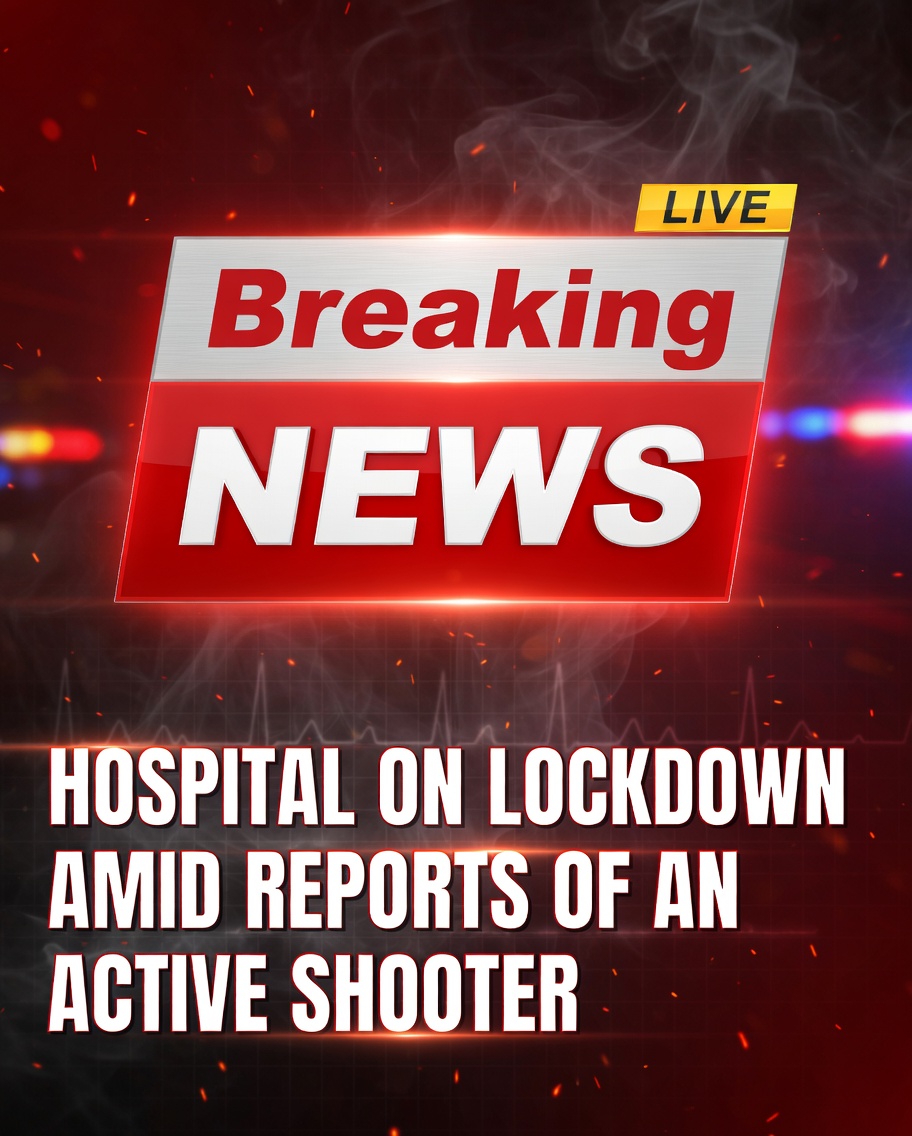
On a quiet Thursday morning in March 2025, the daily rhythm at Corewell Health Beaumont Troy Hospital in Michigan was violently interrupted. Located about 24 miles north of Detroit, the hospital—a cornerstone of healthcare in the region—suddenly became the site of a targeted shooting that unfolded in its parking garage around 7 a.m. What began as a routine start to the workday for staff quickly escalated into chaos, prompting a full lockdown and a massive law enforcement response.
Authorities determined the incident was not a random mass shooting but a personal dispute between two hospital employees. The suspect, identified as Robert Paljusevic (then 21, later 22), allegedly followed the victim—a 25-year-old male coworker—into the parking structure and opened fire, discharging a handgun at least five times. The victim was struck twice in the arm, while additional rounds pierced his vehicle. Despite his injuries, he managed to enter the hospital for immediate treatment. Medical staff later confirmed he was in stable condition with non-life-threatening wounds and was expected to recover fully.
The hospital’s emergency protocols activated swiftly. An “Active Shooter” alert blared through internal systems and reached employees’ mobile devices, instructing people to avoid the area and shelter in place. Inside the facility, nurses, doctors, and support personnel barricaded doors with available equipment and sought safety in darkened rooms. Staff arriving for shifts described the surreal scene: a coworker screaming for them to return to their cars, followed by the sight of heavily armed police officers sweeping through the parking garage. One medical assistant recounted the disorienting fear of arriving at a place dedicated to healing only to confront potential danger.
The ripple effects extended far beyond the hospital. Nearby schools enacted precautionary lockdowns, and authorities advised the public to steer clear of the busy Dequindre Road and M-59 corridors. Multiple agencies, including Troy police and the Michigan State Police, converged on the scene to secure the perimeter and search for threats. With the shooter having fled, the operation shifted to a manhunt.
Using witness accounts, hospital surveillance footage, and cellular data, investigators traced the suspect to a residence in Macomb Township. A tense hours-long standoff ensued, during which crisis negotiators communicated by phone. The suspect eventually surrendered peacefully and was taken into custody without further incident. His identity was initially withheld but later publicly linked to the case.
In the days and months that followed, details emerged about the motive: a troubled personal relationship between the two coworkers, reportedly involving anger over the victim not inviting the suspect to a private funeral for the victim’s father. The shooting highlighted ongoing concerns about workplace violence, particularly in healthcare settings where tensions can escalate amid stressful environments.
Corewell Health officials commended the rapid response of law enforcement and the effectiveness of staff training in minimizing further harm. The facility operated under heightened security for the remainder of the day, offering counseling to affected employees while investigators processed the scene. The parking garage bore visible reminders of the violence, including bullet holes in the victim’s vehicle.
The legal proceedings advanced steadily. Paljusevic faced charges related to the shooting and, in early 2026, pleaded no contest. In March 2026, he was sentenced to more than 13 years in prison for the attack.
This incident at Corewell Health Beaumont Troy serves as a sobering reminder of the vulnerability of healthcare workers. Hospitals are inherently open environments, balancing accessibility for patients with the need for robust security—a challenge that grows more pressing as workplace conflicts occasionally turn violent. While the physical injuries to the victim are healing, the emotional impact on staff, patients, and the broader community lingers. The coordinated efforts of law enforcement, from the initial lockdown to the peaceful arrest, demonstrated effective emergency preparedness. Yet the event has sparked renewed discussions on preventing escalation of internal disputes and enhancing safety measures in medical facilities. As the hospital resumed its vital mission of patient care, the presence of additional security patrols underscored a new reality: even spaces of healing are not immune to the complexities of human conflict.