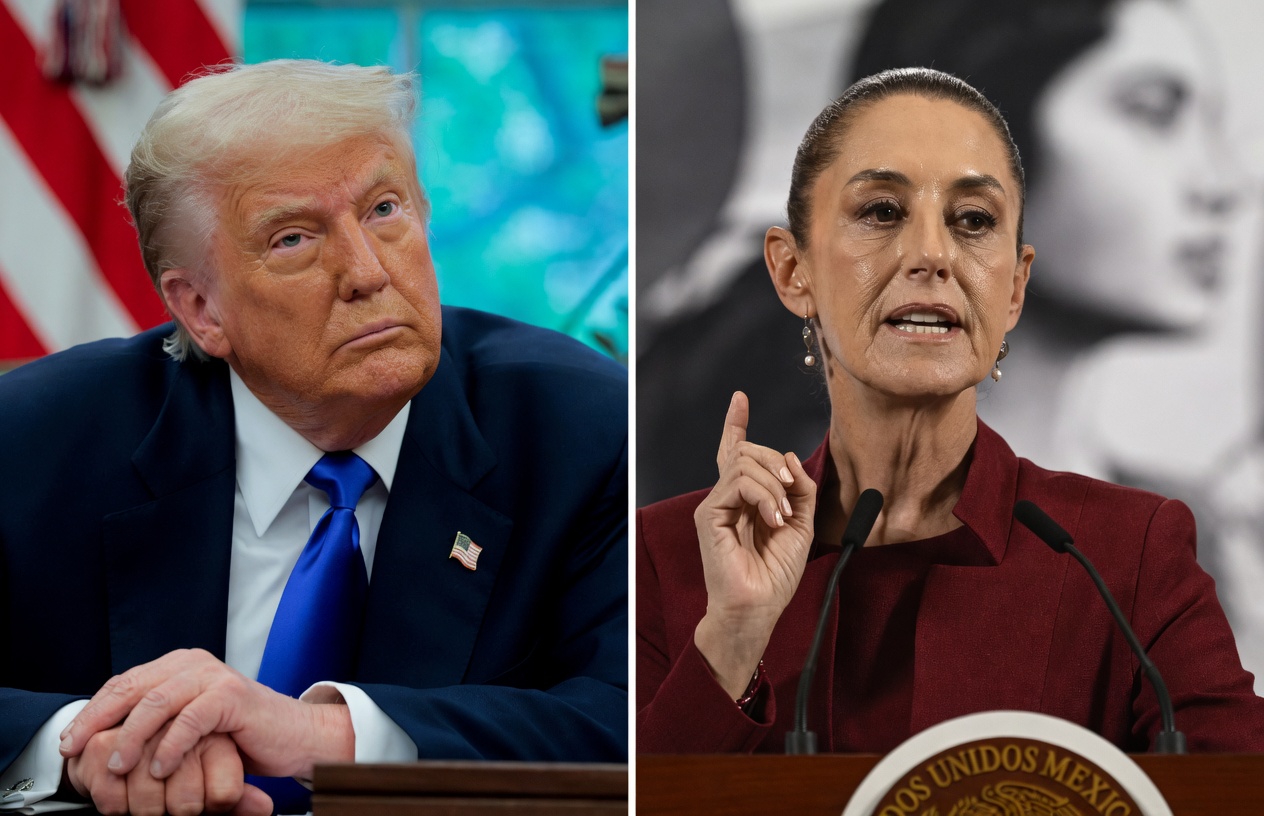
World leaders have reacted sharply to President Donald Trump’s announcement that the United States conducted a “very successful attack” on three key Iranian nuclear facilities, including the heavily fortified Fordo site.
In a post on Truth Social, Trump declared the strikes a “HISTORIC MOMENT FOR THE UNITED STATES OF AMERICA, ISRAEL, AND THE WORLD,” urging Iran to “AGREE TO END THIS WAR” and pursue peace. He described the operation—targeting Fordo, Natanz, and Isfahan—as a decisive blow against Iran’s nuclear enrichment capabilities, with U.S. aircraft safely exiting Iranian airspace after delivering a full payload of bombs on the mountain-embedded Fordo facility.
The strikes mark a major escalation, with the U.S. directly joining Israel’s campaign against what Trump has called the world’s leading state sponsor of terrorism. Assessments suggest the attacks have significantly set back Iran’s nuclear program, though the full extent of damage remains under review.
Iran responded defiantly. Foreign Minister Abbas Araghchi condemned the action in a statement on X, calling the morning’s events “outrageous” with “everlasting consequences.” He labeled the strikes “extremely dangerous, lawless and criminal behavior” and warned that every UN member should be alarmed.
Araghchi added: “In accordance with the UN Charter and its provisions allowing a legitimate response in self-defense, Iran reserves all options to defend its sovereignty, interests, and people.” Iranian officials have vowed to retaliate while insisting their nuclear program, though damaged, will continue.
Reactions from other world leaders have been mixed, reflecting deep divisions. Israeli Prime Minister Benjamin Netanyahu praised the move as a bold step toward “peace through strength” and a historic change. Some U.S. allies, including UK Prime Minister Keir Starmer, expressed conditional support, stressing that Iran must never acquire a nuclear weapon while urging a swift return to diplomacy to prevent wider regional instability.
Conversely, UN Secretary-General António Guterres voiced grave alarm over the escalation and called for restraint and renewed negotiations. Russia and China strongly condemned the strikes as violations of international law and a threat to global security, with Beijing highlighting concerns over attacks on IAEA-supervised facilities. Several European leaders, along with nations like Iraq and Oman, warned of broader risks to peace and pushed for de-escalation.
The episode has heightened fears of a larger Middle East conflict, with calls for calm echoing alongside declarations of resolve. As tensions simmer, the international community watches closely to see whether the strikes lead to Iranian capitulation and peace—or further retaliation and instability.