President Donald Trump has imposed an energy quarantine on Cuba aimed at weakening the island’s communist government, which analysts say is already under severe pressure. The policy targets fuel supplies, intensifying an economic crisis that has persisted for decades and worsening shortages of water, food, and medicine for the country’s roughly 10 million residents.
Sebastián Arcos of the Cuban Research Institute at Florida International University warned that conditions inside Cuba are deteriorating rapidly. He said multiple epidemics are spreading while the government tightens repression as it feels increasingly cornered. Despite the mounting pressure, Arcos noted that the Cuban leadership has not shown any sign of negotiating with Washington. While the regime has historically survived difficult crises, he suggested the current situation could prove more difficult to endure.Trump recently suggested the United States could pursue a “friendly takeover” of Cuba, potentially resembling its approach toward Venezuela, where political leadership was replaced while the broader system remained in place with demands for economic cooperation.
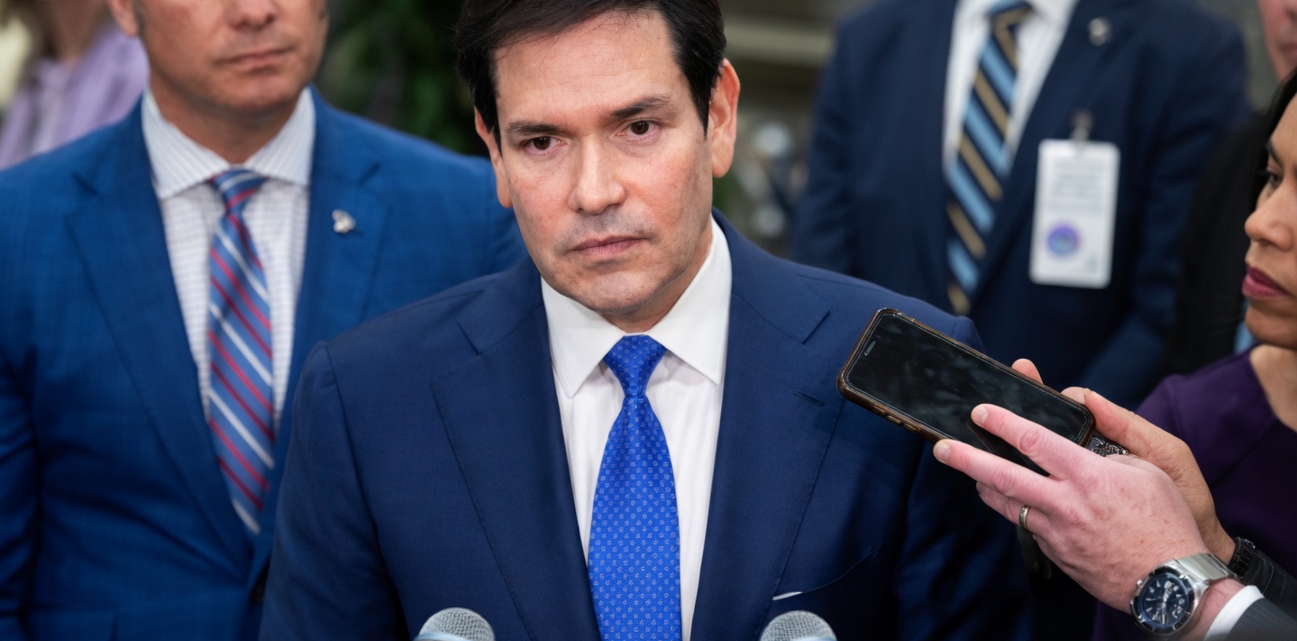
Secretary of State Marco Rubio is leading the administration’s strategy and is reportedly in contact with Raúl Guillermo Rodriguez Castro, grandson of longtime Cuban leader Raúl Castro. Rodriguez Castro is believed to oversee GAESA, a powerful military-run conglomerate that controls large portions of Cuba’s economy.Rubio has signaled that Washington is not demanding immediate regime change. Instead, he said the country must reform gradually, suggesting any political shift in Havana may occur over time rather than through sudden upheaval.


