Iran Draws Firm Red Line on Energy Infrastructure Amid Escalating US Threats
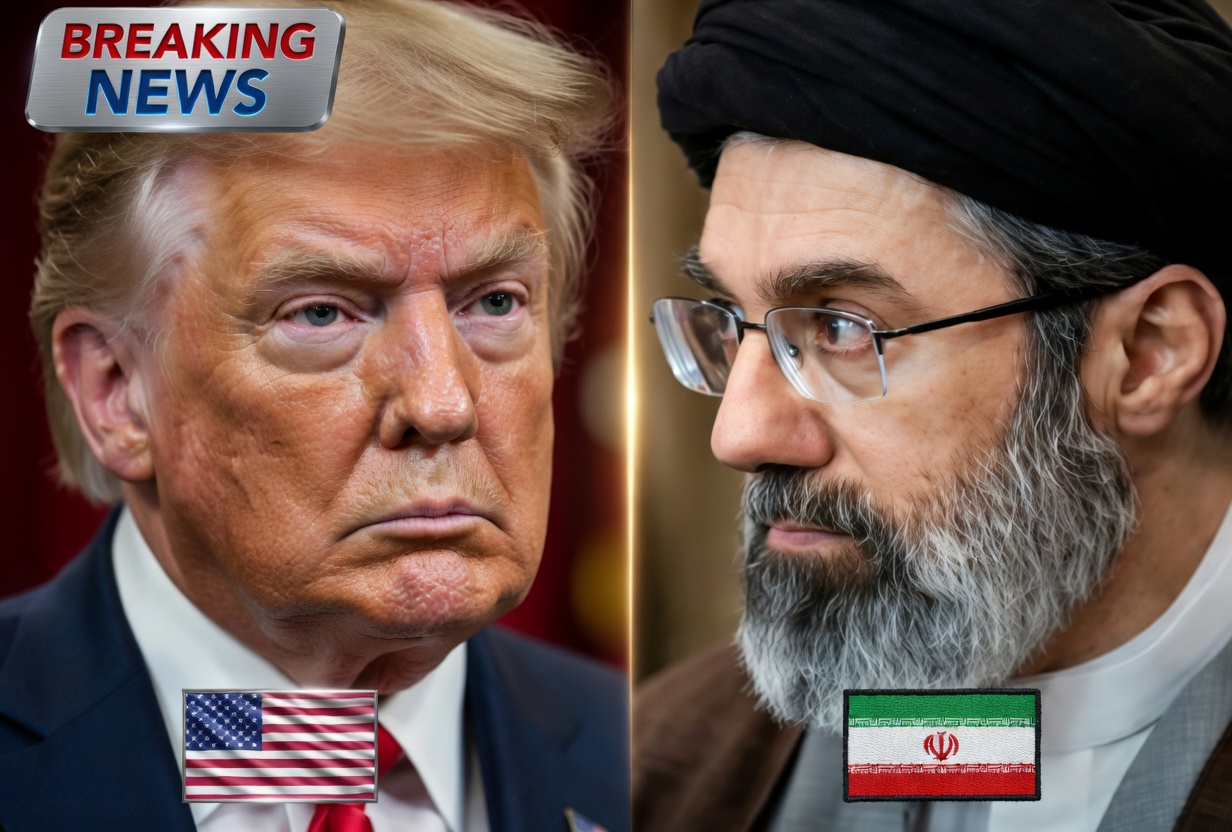
Following provocative threats from US President Donald Trump, Iranian officials have issued a stern warning, declaring that any attack on the country’s power plants and broader energy infrastructure would cross a critical red line and provoke immediate, decisive retaliation. This firm posture signals a potential shift in Tehran’s approach to the ongoing regional conflict, which erupted in February 2026 between the US, Israel, and Iran.
Trump has repeatedly escalated his rhetoric, vowing to target Iran’s civilian infrastructure if Tehran does not reopen the Strait of Hormuz—a vital chokepoint carrying roughly one-fifth of global oil trade. In a series of statements, including an expletive-laden Truth Social post declaring “Tuesday will be Power Plant Day,” and remarks at a White House press conference, Trump outlined plans for rapid destruction: “Every bridge in Iran will be decimated by 12 o’clock tomorrow night… every power plant in Iran will be out of business, burning, exploding, and never to be used again.” He warned that an entire “civilization will die tonight” if Iran failed to meet his deadline, framing the strikes as leverage to end the blockade and secure a broader deal.
In response, Iran’s Islamic Revolutionary Guard Corps (IRGC) and other officials drew an uncompromising line around the nation’s energy assets. They stated that while Iran had previously avoided initiating strikes on civilian targets, attacks on its power plants and grid would lift those restraints, triggering retaliation against similar infrastructure supporting US and allied interests across the Gulf region. The IRGC warned it could disrupt oil and gas supplies to the United States and its partners “for years,” potentially plunging parts of the Middle East into prolonged energy shortages. Iranian authorities also called on citizens—particularly youth, students, and athletes—to form human chains around power plants and bridges as a symbolic show of national unity and defiance.
This exchange reflects a dangerous recalibration. Previously, both sides had shown some restraint regarding purely civilian and industrial targets to avoid disproportionate escalation. Now, energy infrastructure has moved to the forefront of explicit threats, raising the stakes in an already volatile environment. Analysts note that such targeting carries significant humanitarian risks: blackouts could cripple hospitals, water treatment plants, emergency services, and daily life for millions of civilians, extending far beyond any military objectives.
The broader implications extend well beyond the region. The Middle East is central to global energy flows. Damage to major power facilities or prolonged closure of the Strait of Hormuz could trigger sharp spikes in oil prices, disrupt international supply chains, and inject fresh uncertainty into the world economy. By highlighting these consequences, Iran seeks to portray strikes on its energy sector not merely as bilateral aggression but as actions with worldwide repercussions, potentially complicating diplomatic isolation efforts against Tehran.
At the same time, competing narratives have intensified. Trump has used blunt language to pressure Iran into compliance and prevent nuclear advancement, while Iranian leaders frame the threats as reckless violations of international norms that could amount to war crimes. Critics, including human rights groups, have condemned the rhetoric for endangering civilians and undermining humanitarian law.
Tensions peaked as Trump’s latest deadline approached on April 7-8, 2026. However, in a late development, the US and Iran announced a tentative two-week ceasefire, conditional on Iran reopening the Strait of Hormuz to safe international shipping. Both sides described the pause as opening space for negotiations on a longer-term framework, with Trump noting Iran had proposed a “workable” 10-point plan. Oil prices eased sharply on the news, reflecting market relief, though underlying issues—including regional influence, security guarantees, and Iran’s nuclear program—remain unresolved.
The current climate underscores the perils of miscalculation. Even minor incidents could unravel fragile pauses, while the deliberate focus on energy targets blurs lines between military and civilian harm. As rhetoric sharpens and red lines multiply, the balance between deterrence, humanitarian protections, and global economic stability grows increasingly precarious. Observers warn that carefully calibrated diplomacy—or a single misstep—could determine whether the conflict de-escalates or spirals into wider confrontation in the weeks ahead.