U.S. State Department Bars Five European Activists and Officials Over Alleged Censorship Efforts
The U.S. State Department has banned five prominent European figures from entering the United States, citing their roles in what officials describe as coordinated campaigns to pressure American technology companies into censoring U.S. citizens’ protected speech.
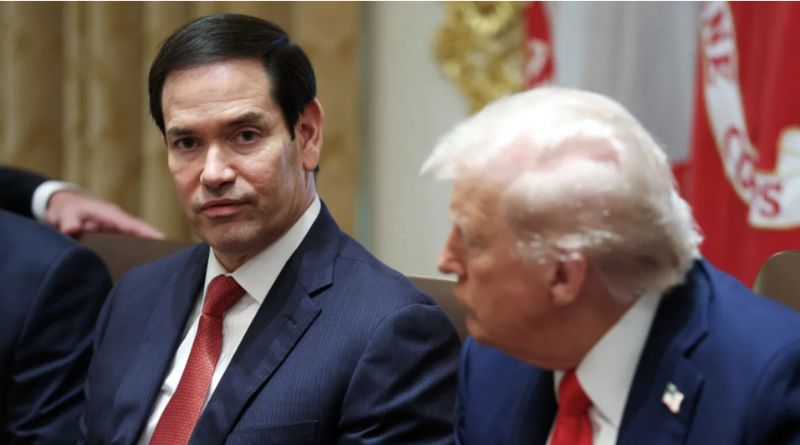
Secretary of State Marco Rubio announced the action as the first enforcement of a new visa policy introduced in May. The policy targets foreign nationals who “directly advance or facilitate censorship of protected speech within the United States.” In a post on X, Rubio stated, “For far too long, ideologues in Europe have led organized efforts to coerce American platforms to punish American viewpoints they oppose. The Trump Administration will no longer tolerate these egregious acts of extraterritorial censorship.”
The banned individuals are:
- Imran Ahmed, CEO of the UK-based Centre for Countering Digital Hate (CCDH);
- Josephine Ballon and Anna-Lena von Hodenberg, co-CEOs of the German nonprofit HateAid;
- Clare Melford, executive director of the Global Disinformation Index (GDI);
- Thierry Breton, former European Union commissioner responsible for implementing the EU’s Digital Services Act (DSA).
Under Secretary of State for Public Diplomacy Sarah Rogers identified the group as advancing “foreign government censorship campaigns against American citizens and U.S. companies.” She described them as “foreign operatives” who sought to manipulate global tech platforms into suppressing American political speech under the guise of combating “hate” or “disinformation.”
Rogers singled out Breton as the “mastermind” behind the DSA, a sweeping EU regulation that requires major online platforms to aggressively monitor and remove content deemed harmful or illegal in Europe. U.S. officials argue the law has been weaponized to pressure American firms such as X and Meta to deplatform or downrank conservative viewpoints and political dissent. Breton drew international attention last year when he warned Elon Musk that X could face penalties for hosting a live interview with then-candidate Donald Trump.
The visa bans were issued under Section 212(a)(3)(C) of the Immigration and Nationality Act, which permits the denial of entry when an individual’s presence could cause “potentially serious adverse foreign policy consequences” for the United States.
The targeted organizations have faced previous scrutiny in Congress. In 2023, the House Judiciary Committee investigated CCDH and GDI for allegedly working with U.S. tech platforms and government agencies to flag or demonetize conservative media outlets.
Reactions in Europe were swift and critical. Breton responded on X: “To our American friends: ‘Censorship isn’t where you think it is.’” He defended the DSA, noting unanimous approval by all 27 EU member states in 2022 and arguing it simply ensures online content matches offline legality. French Foreign Minister Jean-Noël Barrot called the bans “an unacceptable act of political retaliation,” while the EU warned of possible reciprocal measures. In a joint statement, Ballon and von Hodenberg accused the Trump administration of “repression” aimed at silencing critics.
The move represents a significant escalation in the Trump administration’s efforts to shield American free speech norms from foreign regulatory influence. Officials say it forms part of a broader strategy to counter what they term “foreign information control regimes.” While largely symbolic, the bans underscore deepening transatlantic tensions over the balance between expression, platform responsibility, and national sovereignty in the digital age.