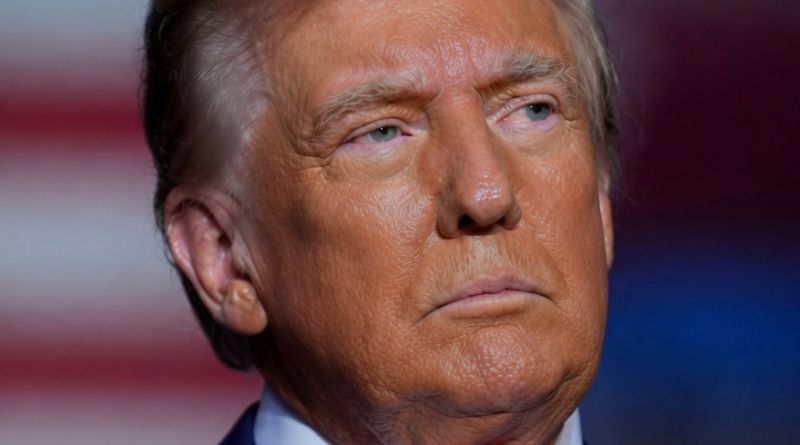
In a major escalation that has polarized the nation, federal prosecutors have brought a sweeping indictment against former President Donald Trump, accusing him of orchestrating a broad conspiracy aimed at undermining the 2020 presidential election results. The charges strike at core questions of democratic integrity, presidential power, and the boundaries of lawful political conduct, thrusting the country into a high-stakes legal drama with profound implications for the future of American governance.
The indictment, filed in Washington, D.C., alleges that Trump and unnamed co-conspirators pursued a multi-pronged effort to overturn the election. Prosecutors charge him with conspiracy to defraud the United States, obstruction of an official proceeding—specifically the January 6, 2021, electoral vote certification—and conspiracy against rights. According to the government, these actions went beyond routine political hardball, involving pressure on state officials, the creation of alternate elector slates, and attempts to disrupt the constitutional transfer of power. Officials portray the conduct as deliberate and dangerous, arguing it threatened the foundations of the republic and tested how close the nation came to a genuine constitutional crisis.
Supporters of the prosecution see the case as essential accountability, demonstrating that no one, not even a former president, stands above the law. They contend the evidence reveals a systematic attempt to subvert democratic norms rather than a good-faith dispute over election procedures.
Trump’s legal team has vowed a vigorous defense, dismissing the indictment as politically motivated lawfare designed to interfere with his 2024 presidential campaign. They argue the charges criminalize protected political speech, advocacy, and reliance on legal advice amid widespread concerns about election irregularities. Defense attorneys are expected to challenge the indictment’s scope, seek dismissal on immunity grounds for official acts, and highlight what they call selective prosecution compared to other contested elections in U.S. history.
As pretrial motions unfold, the case tests the limits of criminal law in the political arena. Legal experts are divided: some warn of a dangerous precedent that could chill aggressive campaigning, while others insist it reaffirms vital guardrails. Regardless of the verdict, the proceedings will shape public trust in institutions and influence how future presidents navigate contested elections. The outcome may either reinforce norms of peaceful power transitions or redefine the boundaries between fierce partisanship and criminality.