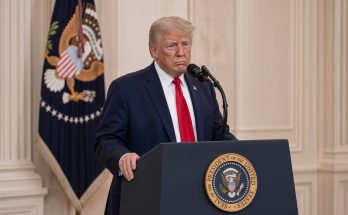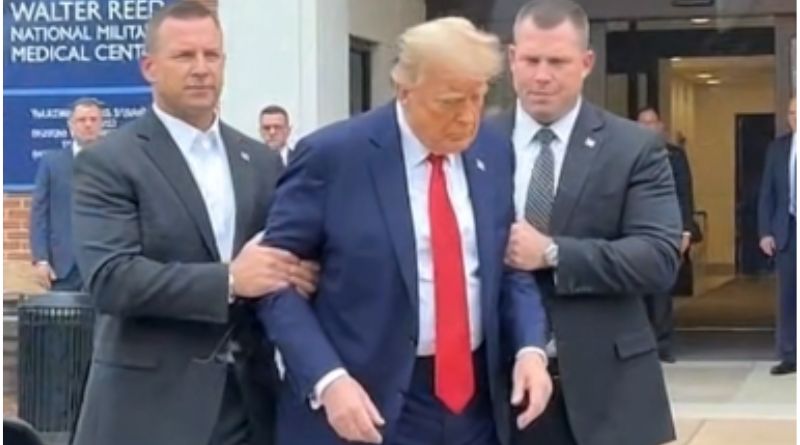
In early April 2026, over the Easter weekend, unverified rumors rapidly spread across social media claiming that President Donald Trump had been admitted to Walter Reed National Military Medical Center in Bethesda, Maryland. Posts alleged a medical emergency had prompted his hospitalization, with some users suggesting serious health concerns. These claims circulated swiftly on platforms including X, Facebook, Threads, Bluesky, and various online forums, despite lacking any official confirmation or credible evidence.
The speculation gained momentum from several factors. Reports of temporary road closures and flight restrictions near the hospital fueled interpretations of urgent activity. Viral videos and posts, including recycled footage and unverified motorcade images, were shared widely. One high-profile post by commentator Ed Krassenstein alone amassed millions of views, amplifying the narrative that Trump was receiving treatment at the facility reserved for presidential medical care. As shares multiplied, confusion intensified. Many users began treating the unconfirmed reports as established fact, leading to heightened public anxiety and partisan debate.
White House officials moved quickly to address the misinformation. Communications Director Steven Cheung and other spokespeople stated unequivocally that the reports were false. They confirmed there had been no medical emergency and that President Trump remained at the White House, continuing his normal schedule and duties without interruption. A routine “travel/photo lid” had been in place, limiting public appearances that weekend, but this was standard and unrelated to any health issue. The administration described the circulating claims as “conspiracy theories” or “fake news,” aimed at correcting the record and easing public concern.
This episode underscores the speed and reach of unverified information in today’s digital landscape. A brief presidential absence, combined with routine security measures around a high-profile location like Walter Reed, was enough to ignite widespread speculation—especially on a sensitive topic such as a sitting president’s health. Similar rumors have surfaced in the past regarding public figures, highlighting how easily context can be lost amid algorithmic amplification.
The incident serves as a reminder of the importance of verifying information before sharing. Relying on official statements, cross-checking multiple credible sources, and exercising caution can help curb the spread of misinformation. In an era where a single post can reach millions within hours, critical thinking and patience for confirmed facts remain essential tools for navigating the news cycle responsibly.