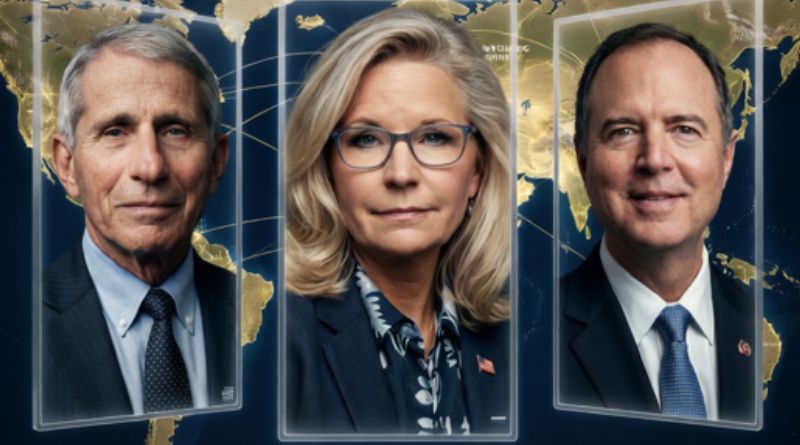
President Donald Trump has sharply criticized a group of pardons issued during the final period of former President Joe Biden’s administration, arguing that several high-profile clemency decisions should not stand because they were signed using an autopen rather than by hand. Trump raised the issue in a post on Truth Social, where he claimed that pardons involving former government officials such as Anthony Fauci, Liz Cheney, and Adam Schiff should be considered invalid and subject to further legal review. The comments immediately sparked debate among legal scholars and political observers, as presidential pardons are generally viewed as one of the broadest constitutional powers granted to the executive branch. Trump argued that Americans deserve full accountability and questioned whether the pardons reflected direct presidential intent if they were not personally signed in a traditional manner.
The pardons in question reportedly covered several controversial figures who have remained central to partisan political disputes in recent years. Fauci has continued to face criticism from conservatives over his role in federal COVID-19 policy and public health messaging during the pandemic. Cheney and Schiff, meanwhile, became prominent Republican targets because of their involvement in congressional investigations related to the January 6 Capitol attack and other inquiries connected to Trump’s presidency. Despite Trump’s public objections, constitutional experts note that the use of autopen technology by presidents is not new. Both Democratic and Republican administrations have relied on autopen devices for official signatures in certain circumstances, particularly when handling large volumes of executive paperwork or when the president is traveling. A prior legal opinion from the Department of Justice concluded that documents signed with an autopen can remain valid if the president authorized their issuance.
Legal analysts also point out that there is currently no established process allowing one president to unilaterally revoke a completed pardon issued by a predecessor. Once granted, presidential pardons are generally considered final unless evidence emerges showing that the action was unauthorized or constitutionally defective. Any serious challenge would likely require court involvement and substantial legal review. The issue has nevertheless become another flashpoint in the broader political conflict between Trump and Biden-era officials. Trump supporters argue that public confidence requires scrutiny of controversial clemency decisions, while critics say the constitutional limits of presidential authority remain clear regardless of political disagreements. The discussion also reflects continuing divisions over accountability for major events of recent years, including pandemic policy, congressional investigations, and executive decision-making during both administrations. While Trump’s remarks energized supporters who favor aggressive review of prior government actions, legal experts caution that social media statements alone do not alter the standing of presidential pardons. For now, the pardons remain legally recognized, and no court has ruled that autopen use invalidates presidential clemency. Any future legal action would likely center on whether proper authorization existed at the time the pardons were issued.