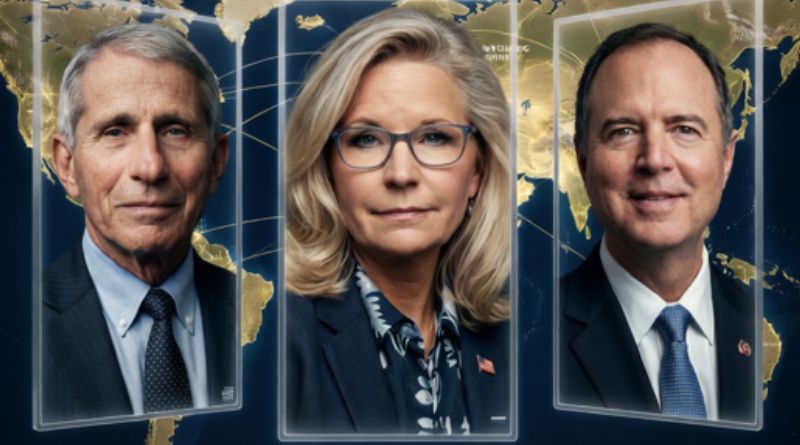
President Donald Trump sharply criticized a series of pardons issued in the final period of former President Joe Biden’s administration, arguing that several high-profile clemency decisions should not shield recipients from future legal scrutiny. Trump’s comments focused on pardons reportedly involving former public health official Anthony Fauci, former Representative Liz Cheney, and Representative Adam Schiff, all of whom have frequently been targeted by Republican criticism.
In a statement posted on Truth Social, Trump said the pardons were invalid because they were allegedly signed using an autopen rather than by Biden personally. He argued that such a method raised questions about whether the former president directly authorized each decision. Trump described the pardons as legally questionable and suggested they should be reviewed. The issue quickly drew political attention because autopen signatures have been used by presidents from both parties for years when signing official documents. Legal scholars note that the practice has generally been accepted in government, particularly when the president has clearly approved the action in advance. Previous legal opinions from the Justice Department have also concluded that autopen signatures may be valid for presidential documents under certain circumstances.
Despite Trump’s criticism, constitutional experts say a completed presidential pardon is difficult to overturn. The U.S. Constitution grants broad clemency authority to presidents, and there is no direct process for a future president to cancel a predecessor’s pardon once it has been issued. Any serious legal challenge would likely need to move through the courts, where judges would examine whether the pardon reflected the president’s intent and lawful authority. Supporters of Trump praised his remarks, saying they reflected a broader effort to demand accountability from political opponents and former officials involved in controversial national debates, including pandemic policy and investigations connected to the January 6 attack on the U.S. Capitol, formally known as the January 6 United States Capitol attack. Critics, however, argued that the legal standing of presidential pardons remains strong regardless of political disputes. For now, the debate remains largely political, with no court ruling indicating that autopen-signed pardons are automatically invalid.