US-Iran Negotiations Advance Amid Ceasefire Tensions
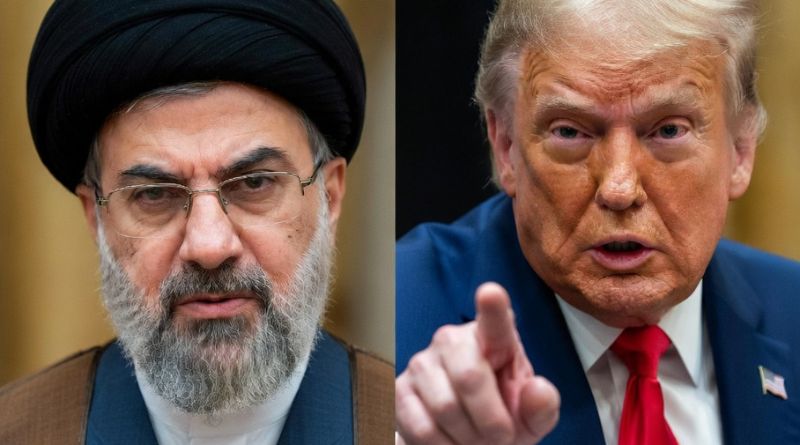
President Donald Trump, Vice President JD Vance, Secretary of State Marco Rubio, and senior administration officials are finalizing details of a potential agreement to end the ongoing war with Iran.
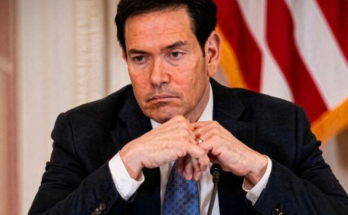
Speaking during a visit to India, Rubio reiterated Washington’s firm position that the Strait of Hormuz must be reopened immediately. “The straits have to be open, they’re going to be open,” he declared. He described Iran’s actions in the waterway as “unlawful, illegal, unsustainable for the world, and unacceptable.” Rubio noted that talks were underway in Qatar and expressed cautious optimism, saying both sides were negotiating specific language in an initial framework document. “It’ll take a few days,” he added. President Trump has made clear his preference for either “a good deal or no deal.”
The diplomatic efforts come just days after U.S. Central Command conducted “self-defense strikes” in southern Iran, targeting missile launch sites and Iranian vessels attempting to deploy mines. The strikes occurred near the key port and naval base at Bandar Abbas. Captain Tim Hawkins, a CENTCOM spokesperson, said the actions were necessary to protect U.S. forces from threats during the fragile ceasefire that took effect approximately six weeks ago. American warships, including two aircraft carriers, continue to enforce a blockade around Iranian ports in the Gulf of Oman and Arabian Sea.
Iranian officials acknowledged progress in the Qatar negotiations but cautioned against expectations of an imminent final agreement. Foreign ministry spokesman Esmaeil Baqaei stated that Tehran and Washington had reached understandings on “a large portion of the issues,” while accusing the U.S. of shifting positions during talks.
According to a senior Trump administration official, the emerging deal would require Iran to eliminate its stockpile of highly enriched uranium and significantly limit future nuclear enrichment activities. In exchange, the United States would lift its blockade of the Strait of Hormuz and ease certain sanctions if Iran complies. The administration is seeking stronger verification mechanisms than those in the 2015 Obama-era nuclear deal, which allowed limited enrichment.
President Trump has sharply criticized the previous administration’s agreement, claiming it provided Iran with “massive amounts of CASH” and a pathway to a nuclear weapon. The current proposal aims to go further by demanding enforceable long-term commitments on enrichment.
While both sides report movement on core principles, significant work remains on specifics. U.S. officials believe recent military pressure has made Iran more willing to negotiate, though enforcement mechanisms and duration of commitments continue to be sticking points. A short-term framework addressing the Strait of Hormuz and initial nuclear steps could be reached soon, with broader issues to follow.