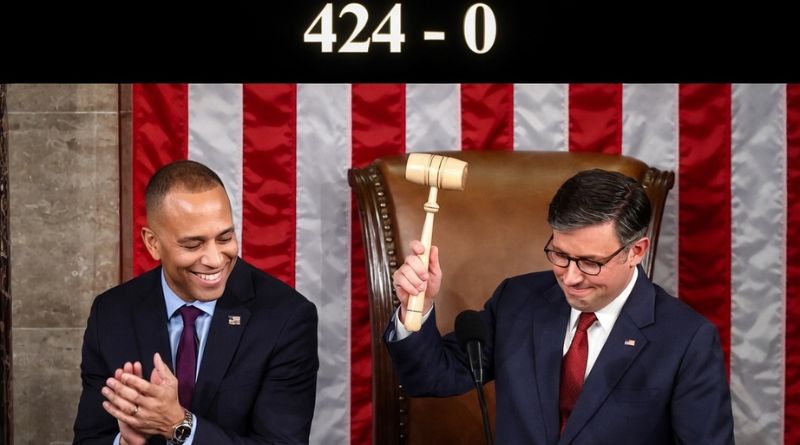
In a rare show of unanimous bipartisanship, the U.S. House of Representatives passed a bill this week with a 424-0 vote aimed at quadrupling the pensions of Medal of Honor recipients. If approved by the Senate and signed by the president, the annual stipend for these decorated heroes will rise from $16,880 to $67,500. This legislative push, championed by representatives like Troy Nehls and Chris Pappas, is designed to alleviate the financial strain on the 60 living recipients, many of whom incur significant personal expenses while traveling for public speaking engagements and military ceremonies. The funding for this increase will be managed through Veterans’ Affairs disability compensation. To ensure the bill is budget-neutral, the legislation extends current limitations on pensions for veterans without spouses or dependents from 2031 to 2033. This move coincides with the upcoming opening of the National Medal of Honor Museum in Arlington, Texas, a facility dedicated to preserving the stories of the roughly 3,500 individuals who have received the award since 1863. The pension program has evolved significantly since its 1916 inception, when recipients received just $10 per month.
Amidst these legislative updates, there is a mounting campaign for President Donald Trump to award the Medal of Honor to Maj. James Capers, a legendary Black Vietnam War veteran. Capers is renowned for his extraordinary heroism during a 1967 ambush in Phú Lộc. Despite suffering 19 shrapnel wounds and a shattered leg, Capers refused to surrender command and successfully held off enemy forces to ensure his unit’s evacuation. In a final act of selflessness, he attempted to leap from a departing medevac helicopter to lighten the load for his wounded comrades, though he was ultimately pulled back to safety by the crew.
While the House focused on veteran support, the U.S. Senate faced a more divisive debate regarding foreign policy. The chamber voted down three resolutions introduced by Sen. Bernie Sanders of Vermont, which sought to block $20 billion in arms sales to Israel. Sanders, joined by Sen. Peter Welch and Sens. Chris Van Hollen and Jeff Merkley, argued that the sale of tank rounds and guidance kits violates the law due to the humanitarian crisis and “mass starvation” in Gaza. However, the majority of the Senate rejected the blockade, allowing the military aid to proceed.