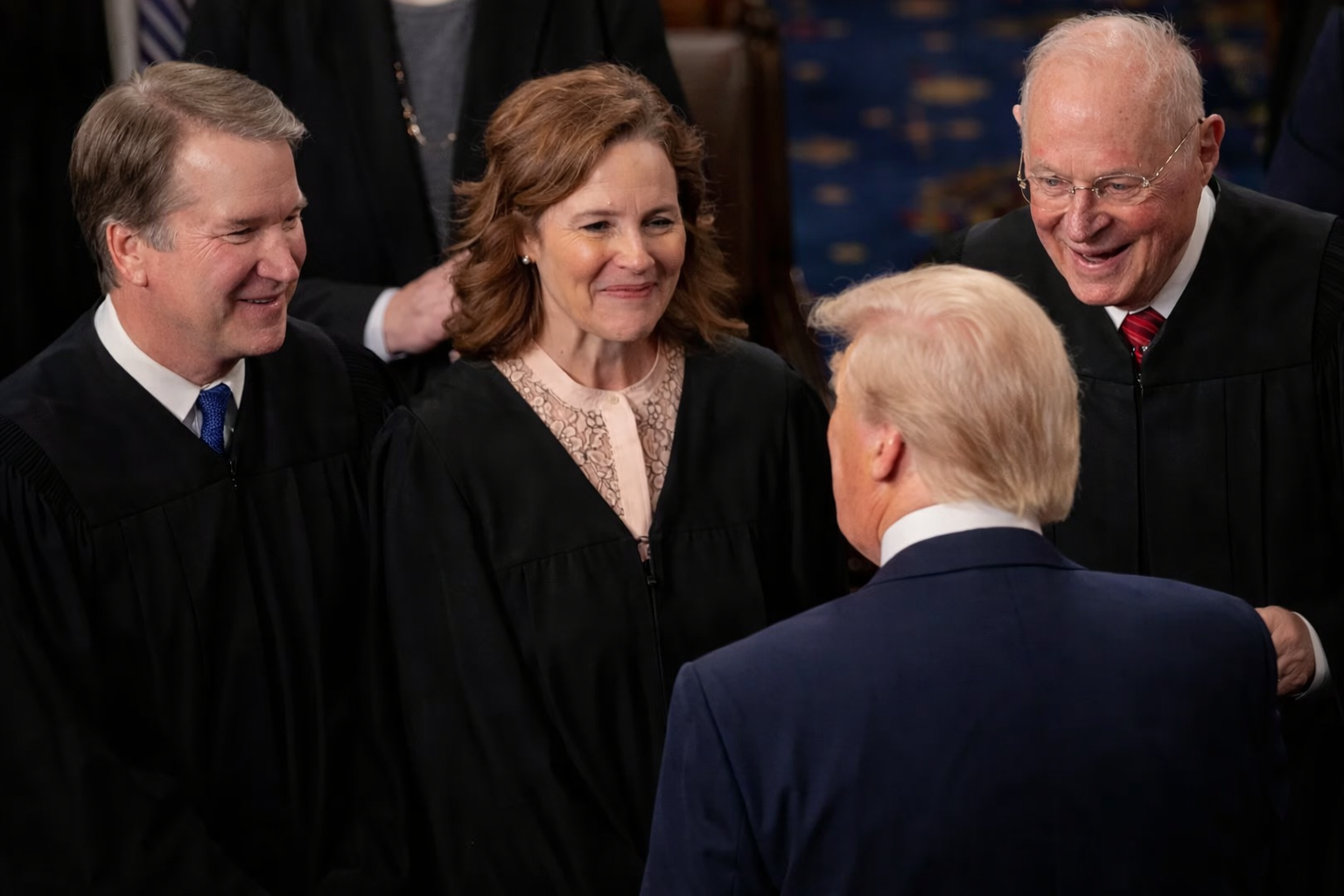
In a significant procedural clarification, the U.S. Supreme Court unanimously ruled that federal courts must enforce a “reasonable time” limit when a party seeks to challenge a judgment as void. The decision in Coney Island Auto Parts Unlimited Inc. v. Burton settles a long-standing dispute among lower courts regarding Federal Rule of Civil Procedure 60(c)(1). Writing for the court, Justice Samuel Alito emphasized that the rule’s plain text applies to motions asserting a judgment is void, effectively foreclosing the argument that such judgments are exempt from timing requirements. This ruling resolves a circuit split where most appeals courts previously held that no time limit applied to void judgments due to their status as legally null from inception. The case originated after Coney Island Auto Parts, based in Brooklyn, attempted to overturn a 2015 default judgment by claiming improper service. Both the bankruptcy court and the Sixth Circuit Court of Appeals rejected the challenge on timeliness grounds. Justice Ketanji Brown Jackson noted during proceedings that while determining the validity of a judgment is complex, the court’s decision balances the need for legal finality with procedural fairness. This ruling is expected to have a nationwide impact, reinforcing strict adherence to procedural deadlines in civil lawsuits.
In a separate and highly consequential 6-3 decision, the Supreme Court struck down broad trade penalties implemented by the Trump administration. The court ruled that the president lacked the statutory authority under the International Emergency Economic Powers Act (IEEPA) to impose these tariffs without explicit authorization from Congress. The majority opinion underscored the constitutional principle that significant tariff authority remains a congressional prerogative, marking a major setback for the administration’s signature trade strategy, which aimed to address trade imbalances and domestic production. The ruling drew immediate and sharp criticism from Vice President JD Vance, who characterized the decision as “lawlessness” on social media. Vance argued that the court misinterpreted congressional intent regarding the president’s ability to regulate imports, suggesting the ruling would hinder efforts to protect American industries and supply chain resiliency. Despite the setback, Donald Trump signaled his intent to pursue alternative legal avenues to maintain his economic agenda, citing other authorities he believes remain intact to defend American workers.
Legal scholars, including George Washington University professor Jonathan Turley, noted that while this specific use of the IEEPA was curtailed, the administration still possesses a “toolbox” of other statutes to impose tariffs. Turley suggested that there is still significant “runway” for the White House to navigate economic policy within the bounds of other laws. Ultimately, the decision highlights the ongoing tension between executive power and legislative authority in shaping U.S. trade policy and the boundaries of presidential economic mandates.