President Trump Addresses Questions About Recent MRI Scan Amid Calls for Greater Transparency
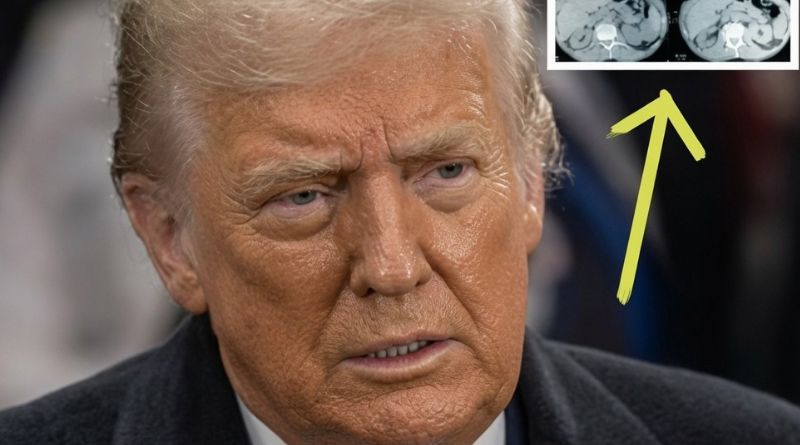
Aboard Air Force One, President Donald Trump directly confronted reporters’ questions regarding a recent MRI scan performed during a medical evaluation at Walter Reed National Military Medical Center. While the president described the results in glowing terms — calling them “outstanding,” “excellent,” and “perfect” — he provided relatively few specifics. At one point, Trump admitted he had “no idea” which part of his body had been scanned, drawing additional attention to the White House’s initial handling of the disclosure.
The imaging occurred in October 2025 during Trump’s second physical examination of the year. The White House first portrayed the visit as a routine check-up. However, officials later reframed it as an “expanded wellness evaluation,” designed to closely monitor the president’s health in preparation for a demanding schedule. They stressed that advanced imaging was a prudent, precautionary step for a man in his late 70s bearing the intense responsibilities of the presidency.
In early December 2025, the White House released a memo from Physician to the President Dr. Sean Barbabella. The memo clarified that the scan focused on the cardiovascular system and abdomen. According to Dr. Barbabella, both areas returned “perfectly normal” results, showing no signs of arterial narrowing, inflammation, clotting, or abnormalities in major organs. The physician characterized the tests as preventative in nature, highlighting that men in Trump’s age group particularly benefit from comprehensive cardiovascular and abdominal assessments.
Despite the reassuring summary, the initial vagueness surrounding the scan triggered widespread public speculation and intensified media scrutiny. Commentators questioned why such advanced imaging was included in what was originally described as a standard physical. Many pressed for fuller transparency. Trump responded by pushing back against the inquiries, occasionally sparring with reporters. He offered to release the full results if formally requested and repeatedly insisted that his overall health remains exceptional.
The episode has revived longstanding debates about medical transparency for sitting presidents, particularly during politically charged times. Critics contend that limited disclosures undermine public trust in the leadership’s openness. Supporters, however, dismiss much of the questioning as politically motivated, pointing instead to Trump’s visible high energy levels and consistent clean bills of health in previous examinations as sufficient proof of his fitness.
As of now, the administration continues to affirm that President Trump is in excellent condition and fully capable of executing his duties without limitation. While the summary results were made public, detailed raw imaging data has not been released. This has prompted some observers and health transparency advocates to call for more comprehensive reporting as the administration advances through its term.