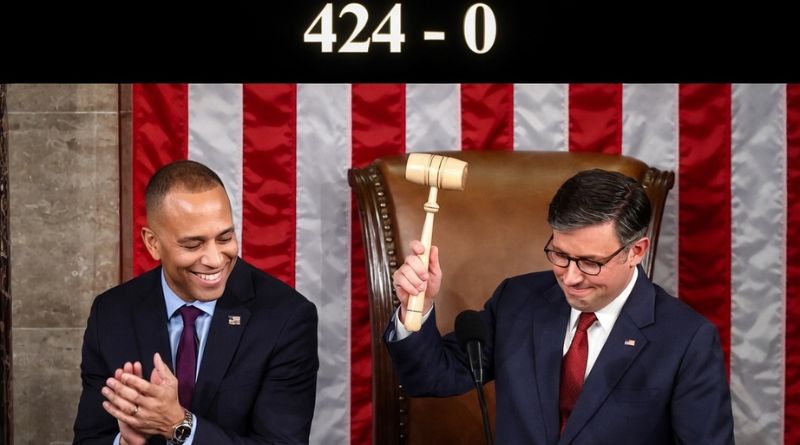
In a rare display of unanimous bipartisan unity, the U.S. House of Representatives passed a landmark bill with a 424-0 vote to significantly increase the annual pensions of Medal of Honor recipients. If the U.S. Senate approves the legislation and it is signed into law, the annual stipend for these heroes will jump from $16,880 to $67,500. Sponsors of the bill, including Rep. Troy Nehls (R-TX) and Rep. Chris Pappas (D-NH), argue that the fourfold increase is necessary to alleviate the financial burden on recipients who often travel the country for speaking engagements at their own expense. To fund the increase, the bill utilizes Veterans’ Affairs disability compensation and extends certain pension limitations for veterans without dependents from 2031 to 2033. This legislative move directly impacts the 60 living Medal of Honor recipients and honors a tradition that dates back to the award’s inception in 1863. The pension program itself began in 1916 with a modest $10 monthly payment, which has incrementally risen over the decades. The announcement comes just ahead of the opening of the National Medal of Honor Museum in Arlington, Texas, a facility dedicated to the stories of the 3,500 individuals who have received the nation’s highest military decoration for extraordinary bravery in battle.
Simultaneously, there is growing momentum within Congress for President Donald Trump to award the Medal of Honor to Maj. James Capers, a legendary Black Vietnam War veteran. Capers is celebrated for his actions in Phú Lộc in 1967, where he led his unit through a devastating ambush despite suffering a shattered leg and 19 shrapnel wounds. Sworn testimony highlights his incredible self-sacrifice, including an attempt to jump from a moving medevac helicopter to ensure his wounded comrades could escape an overloaded aircraft. His actions resulted in the survival of every Marine under his command, though he still carries the physical scars of that day.
While the House focused on domestic veteran support, the U.S. Senate faced a contentious debate over foreign military aid. Senators voted down three resolutions spearheaded by Sen. Bernie Sanders that aimed to block $20 billion in arms sales to Israel. Sanders, supported by colleagues like Sen. Peter Welch and Sen. Jeff Merkley, argued that the transfer of tank rounds and guidance kits violated the rule of law and contributed to a humanitarian crisis in Gaza. However, the Senate ultimately rejected these efforts, maintaining the current trajectory of American military support abroad.