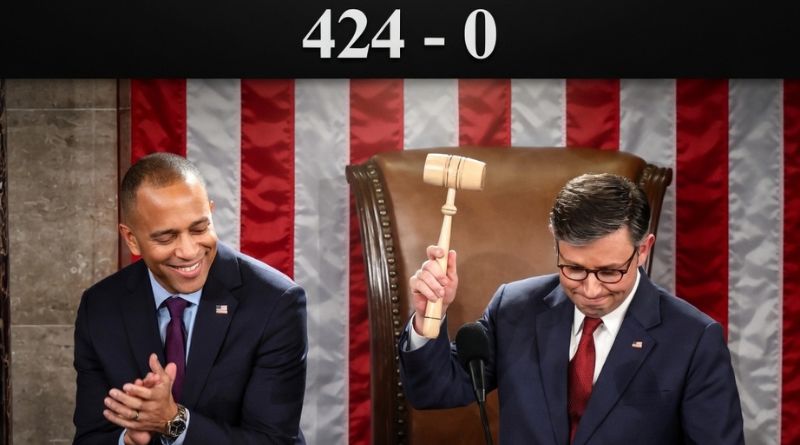
The U.S. House of Representatives recently passed legislation with a unanimous 424-0 vote that would significantly increase the financial support provided to Medal of Honor recipients. If approved by the Senate and signed by the president, the bill will raise the annual pension from $16,880 to $67,500. Supporters such as Rep. Troy Nehls (R-TX) and Rep. Chris Pappas (D-NH) argue the increase is essential to assist the 60 living recipients with travel expenses for speaking engagements. The funding for this increase will be managed via Veterans’ Affairs disability compensation, with costs offset by extending pension limitations for certain veterans through 2033.
This legislative move coincides with the scheduled opening of the National Medal of Honor Museum in Arlington, Texas, which aims to preserve the stories of American heroes. Historically, the stipend for these veterans began at just $10 per month in 1916, reaching $1,000 only in 2002. Currently, there is also a significant push from lawmakers and veterans for President Donald Trump to award the Medal of Honor to Maj. James Capers. A Black Vietnam War veteran, Capers is hailed for his 1967 heroics in Phú Lộc, where he saved seven Marines during an ambush despite sustaining 19 pieces of shrapnel and multiple gunshot wounds.
While the House showed unity on veteran benefits, the U.S. Senate faced contention over foreign policy. Senators voted down three resolutions introduced by Sen. Bernie Sanders (I-VT) that sought to block $20 billion in arms sales to Israel. Sanders, supported by Sens. Peter Welch, Chris Van Hollen, and Jeff Merkley, argued that continuing to provide tank rounds and guidance kits used in Gaza violates the rule of law amidst a humanitarian crisis. Despite his warnings of “mass starvation,” the Senate rejected the measures, ensuring the continuation of military aid transfers.